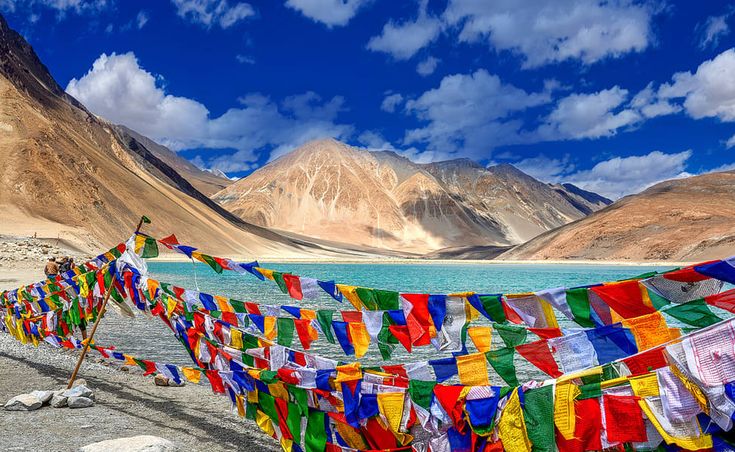
Introduction
Somewhere past Pang, on the long stretch of road between Manali and Leh, you’ll notice your phone battery dropping faster than it should, even though you haven’t used it much. That’s the cold and altitude working together against your gadgets, and it’s a pattern that repeats through most of a Ladakh trip.
Ladakh is unlike anywhere else in India. You’re dealing with altitudes above 3,500 metres in Leh itself, and considerably higher at places like Khardung La and Pangong Tso. The air is thin, the cold sets in fast once the sun dips, and network coverage disappears completely in large stretches between towns. None of this is meant to scare you off, but it does mean your usual travel packing list needs a rethink.
This guide covers the gadgets that genuinely make a difference on a Ladakh trip, based on what actually causes problems here — cold, altitude, patchy network, and long distances between charging points.
Why Ladakh Demands a Different Packing Strategy
Ladakh isn’t a place where you can wing it with your regular travel kit. The terrain and climate are extreme compared to most Indian destinations, and that changes what actually matters.
A few things make gadget planning different here:
- Cold drains batteries fast, and this gets worse at higher altitudes like Khardung La or Pangong Tso, where temperatures can be well below freezing even in peak summer mornings.
- Network coverage is patchy to non-existent outside Leh town, so offline navigation becomes essential rather than optional.
- Charging points are limited once you’re outside Leh, especially in remote homestays around Nubra Valley or Pangong.
- Altitude sickness is a real concern, so anything that helps you monitor your body, like a basic oximeter, is worth carrying alongside your usual gadgets.
Keeping these points in mind helps you pack smart instead of carrying things that won’t survive the conditions.
Must-Have Travel Gadgets for Your Ladakh Trip
1. A High-Capacity Power Bank
This is probably the single most important item on this list. Cold weather drains batteries much faster than usual, and charging points are scarce once you leave Leh. A 20,000mAh Power Bank gives you enough backup for a full day on the road.
2. A Pulse Oximeter
Given the altitude, keeping an eye on your oxygen levels is a sensible precaution, especially in the first couple of days as you acclimatise in Leh. A compact Pulse Oximeter is small, light, and genuinely useful for monitoring how your body is adjusting.
3. Offline Maps and a Downloaded Route App
Network coverage disappears for long stretches between Leh and places like Pangong Tso or Nubra Valley. Downloading offline maps on Google Maps before you leave Leh, and keeping a backup app like Maps.me, makes a real difference on unfamiliar mountain roads.
4. A Reliable Power Bank Case for Your Phone (Cold-Resistant)
Regular phone batteries can shut down unexpectedly in extreme cold, even with charge remaining. A Cold-Resistant Phone Case with some insulation helps your phone survive the temperature swings at high-altitude stops.
5. A Good Action Camera
Khardung La, Pangong Tso, and the Nubra Valley dunes are the kind of landscapes that a phone camera often can’t do justice to, especially in bright, high-altitude light. An Action Camera handles cold, dust, and harsh sunlight far better, and many models come with cold-weather battery options.
6. A Solar or Hand-Crank Charger (Backup Option)
For longer treks or remote stretches where charging isn’t available for a day or two, a Solar Power Bank is a smart backup, especially useful if you’re doing multi-day treks around Markha Valley or similar routes.
7. A Sturdy Headlamp or Torch
Homestays and campsites in remote areas often have limited lighting after dark. A reliable Headlamp is far more practical than a phone torch, especially if you need your hands free for anything at a high-altitude campsite.
8. A Thermal Water Bottle
Regular water bottles can freeze partially at high altitude, especially early mornings near Pangong or Tso Moriri. An Insulated Thermal Water Bottle keeps water at a drinkable temperature and helps you stay hydrated, which matters a lot for altitude adjustment.
9. A Car Phone Mount (For Self-Drive Trips)
If you’re riding a bike or driving yourself through Ladakh’s winding mountain roads, a solid Phone Mount for navigation is far safer than checking directions by hand on those tight bends.
10. A Compact First-Aid and Medication Pouch
Not a gadget, but essential all the same. A small Travel First-Aid Pouch with altitude sickness medication (as advised by your doctor), basic painkillers, and any personal medication is something you should carry given how remote parts of the route can be.
Quick Packing Checklist for Ladakh
- Power Bank (20,000mAh)
- Pulse Oximeter
- Offline maps downloaded in advance
- Insulated Phone Case
- Action Camera
- Solar Power Bank (backup)
- Headlamp
- Insulated Thermal Water Bottle
- Phone Mount (for self-drive trips)
- Travel First-Aid Kit
Best Time to Visit Ladakh (And How It Affects What You Pack)
- May to September: The main travel season, when roads like Khardung La and the Manali-Leh highway are open. Daytime temperatures are manageable, but nights and high-altitude spots like Pangong Tso still get cold, so cold-weather gear and extra power backup matter.
- June to August: Peak season with the most stable road conditions and the highest tourist footfall. Book accommodation and permits in advance during this window.
- October to April: Most routes into Ladakh close due to snow, except for flights into Leh. This period is for experienced winter travellers only, given the extreme cold and limited infrastructure.
A Few Practical Travel Tips for Ladakh
- Spend at least one full day acclimatising in Leh before heading to higher altitude spots like Khardung La or Pangong Tso, since altitude sickness is a genuine risk.
- Carry your ID for Inner Line Permits, which are required for places like Nubra Valley, Pangong Tso, and Tso Moriri.
- Fuel stations are limited outside Leh, so plan your fuel stops in advance if you’re self-driving.
- Cash is important in remote areas, since ATMs and card acceptance are unreliable outside Leh town.
- Layer your clothing rather than relying on one heavy jacket, since temperature swings between day and night are significant.
Conclusion
Ladakh is one of those trips where the right gadgets aren’t just about convenience, they genuinely make the journey safer and smoother. A dependable power bank, offline maps, and a way to monitor your health at altitude will solve most of the problems travellers run into here. Pack thoughtfully, respect the altitude, and you’ll have a much easier time soaking in landscapes that genuinely don’t look real until you’re standing in front of them.
FAQs
1. Do I need a pulse oximeter for a Ladakh trip?
It’s a sensible precaution given the altitude. Monitoring your oxygen levels during the first day or two in Leh helps you catch early signs of altitude sickness before they become serious.
2. Does mobile network work in Ladakh?
Network coverage is decent in Leh town, but drops off almost completely in stretches towards Pangong Tso, Nubra Valley, and along the Manali-Leh highway. Downloading offline maps in advance is essential.
3. How many days should I spend acclimatising in Leh?
Most doctors and experienced travellers recommend at least one full day of rest in Leh before heading to higher altitude areas, and longer if you’re prone to altitude sickness.
4. Do I need an Inner Line Permit for Ladakh?
Yes, for certain areas like Nubra Valley, Pangong Tso, and Tso Moriri. These permits are usually arranged through your hotel, a travel agent, or online, and require your ID proof.
5. What’s the best time to visit Ladakh?
May to September is the main travel season, when the major routes are open and weather conditions are more manageable. June to August is peak season with the most stable road access.
6. Is it safe to self-drive to Ladakh?
Yes, many travellers do it, but the roads involve high passes, unpredictable weather, and long stretches without fuel or network. It’s best suited to experienced drivers or riders who are comfortable with mountain terrain.