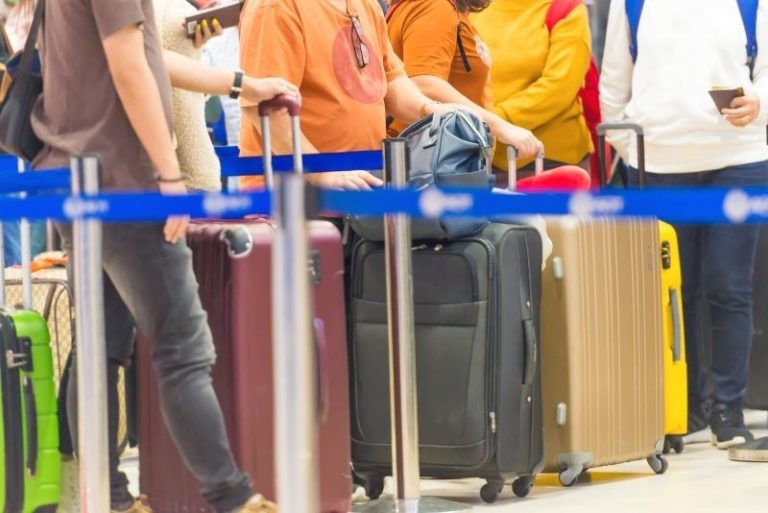
Everyday people, travel plans, and entire economies based on tourism are all impacted when war breaks out, not just soldiers and borders. This was demonstrated during the 12-day conflict between Iran and Israel in 2025. An international travel crisis swiftly emerged from what had begun as a military confrontation between two nations. Travel reservations plummeted, flights were cancelled, and the travel industry went into panic mode from Dubai to Saudi Arabia and from Thailand to Abu Dhabi. And one of the main destinations for foreign tourists, India, was caught in the midst of this storm.
Iran’s Tourism Industry Plummeted by 75% in Just One Month

First, let’s talk about Iran. Iran’s tourism industry was booming just before the war started, with a 48.5% increase in foreign visitors in April and May 2025 over the previous year. People were genuinely eager to see Iran’s magnificent historical sites. Then the war broke out, and everything fell apart. Within weeks, there was a startling 75% decline in visitor arrivals. The minister of tourism in Iran acknowledged that recovery is only feasible “if stability is defined and threats removed.” For those who are planning a trip, that isn’t exactly a comforting statement.
Dubai and the UAE: The Ideal Location Caught in the Crossfire
In 2025, Dubai was experiencing its greatest year ever. The UAE was buzzing with energy, with record hotel reservations, crowded shopping centers, and fully booked visitor experiences. However, regional unpredictability struck like a wall as soon as Iran’s war intensified. Routes were suspended by airlines. The travel industry in Dubai and Abu Dhabi was directly affected by the chaos that resulted from countries like Iran, Iraq, and Jordan closing their airspace. One of the biggest visitor groups to the United Arab Emirates, Indians, began to postpone or cancel their vacations. Although geography had other ideas, the hospitality sector in Dubai began to feel the heat of a conflict that had nothing to do with them.
The Vision 2030 Tourism Dream of Saudi Arabia: Is It Now in Danger?
Under its ambitious Vision 2030 plan, Saudi Arabia has been actively promoting itself as a premier international travel destination. Saudi Arabia is now a must-see destination thanks to billions of dollars invested in new resorts, entertainment hubs, and upscale experiences. However, the war in Iran has thrown a wrench in the works. The biggest threat to any tourism economy is regional instability, and foreign visitors are wary of Saudi Arabia due to its close proximity to the conflict zone. Cautious tourists started reevaluating their Saudi Arabia vacation plans as travel advisories from the USA and Europe started to arrive.
Thailand: An Unexpected Casualty of the Conflict
Most people are surprised by this one. What impact does a Middle East conflict have on Thailand’s beach vacations? Gulf travellers are the straightforward solution. Thailand is largely dependent on visitors from Gulf Cooperation Council (GCC) nations, such as Kuwait, Saudi Arabia, and the United Arab Emirates. Many wealthy GCC tourists postponed or cancelled their international travel plans, including their trips to Thailand, when the Iran conflict made the entire Middle East feel unsafe. In the worst case, analysts predicted a 20% decline in GCC visitors to Thailand. When you combine that with the region’s disrupted air traffic, which resulted in 1,800+ flights being impacted and 650+ cancellations, Thailand’s tourism figures suddenly began to appear precarious as well
Air Traffic Chaos: Travellers Stranded, Flights Cancelled
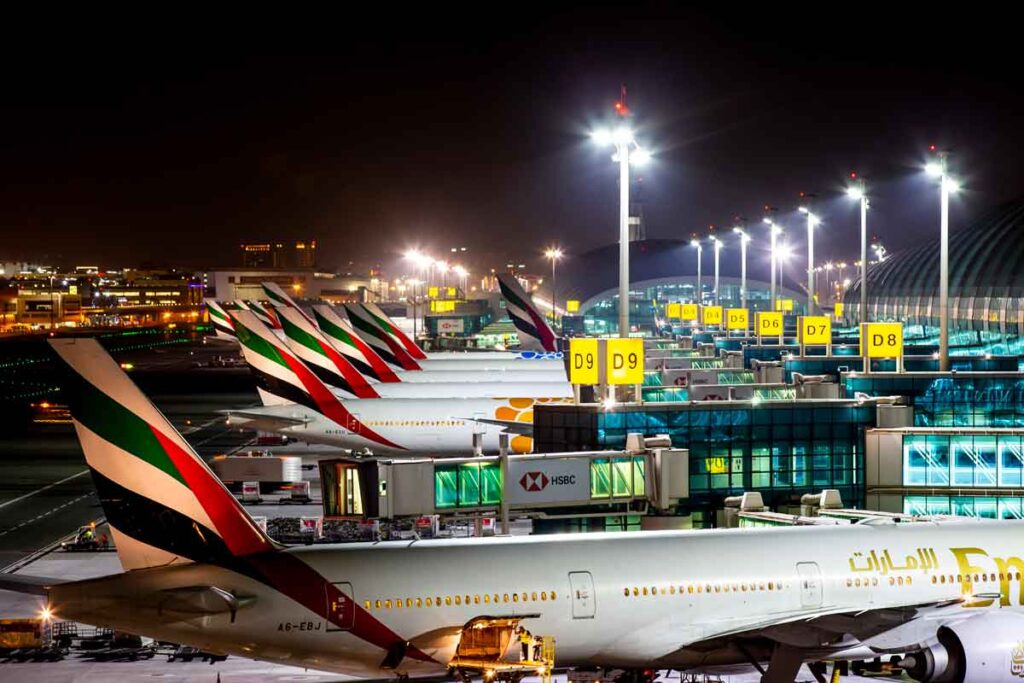
The total disruption of air traffic throughout West Asia was one of the Iran War’s most obvious and immediate consequences. Overnight, hundreds of flights were rerouted by airlines to avoid Jordanian, Iraqi, and Iranian airspace. About 650 of the 1,800 flights headed for Europe were completely cancelled. Travelers and airlines together incurred financial losses amounting to hundreds of millions of dollars. Vacation operators were quick to issue new bookings and make refunds to travelers, especially when the travel insurance companies started to receive a deluge of claims
Table of Contents
Who Gained? A Sudden Increase in Bookings in Europe
There is always a winner in a crisis situation. Travelers, especially from India, the United States, and Europe, were quick to move to safer destinations due to the perceived instability of the Middle East. Last-minute bookings to Greece, Spain, and Albania increased by 38% in early May 2025. International reservations increased by 25% in Turkey. European travel destinations suddenly emerged as the safer and more appealing choice for Indian tourists planning vacations in the Middle East. As the Iran war dominated headlines, travel agents in India reported an unexpected spike in requests for packages to Europe
What Does This Mean for Indian Travellers?
Dubai, Saudi Arabia, Thailand, and Abu Dhabi are among the most popular international destinations for Indian travellers. Each year, millions of Indians travel to these locations for shopping, business, religious travel, and vacations. All of them experienced genuine uncertainty as a result of the Iran War. Flight paths were interrupted. The cost of tickets on other routes increased. Indian authorities have also issued travel advisories asking people to be careful in the area. Many families were forced to either cancel or completely rethink their summer 2025 travel plans to the UAE or Saudi Arabia
Conclusion: War Has No Borders
The 2025 Iran-Israel conflict served as a potent reminder that, in today’s interconnected world, a war between two nations can disrupt travel, tourism, and economies worldwide. Dubai’s record-breaking tourism year was lost. Saudi Arabia’s hopes for Vision 2030 were dashed. The number of Gulf visitors to Thailand decreased. The vacations of hundreds of thousands of tourists, including Indians, were interrupted. The region’s air traffic fell into anarchy.
The lesson here is straightforward: geopolitical stability is essential to the global tourism sector and is not merely a political matter. And everyone is affected when that stability breaks, from a beach resort in Thailand to a five-star hotel in Dubai.
Read My another Bloghttps://ghumnechalen.com/darul-uloom-deoband/